


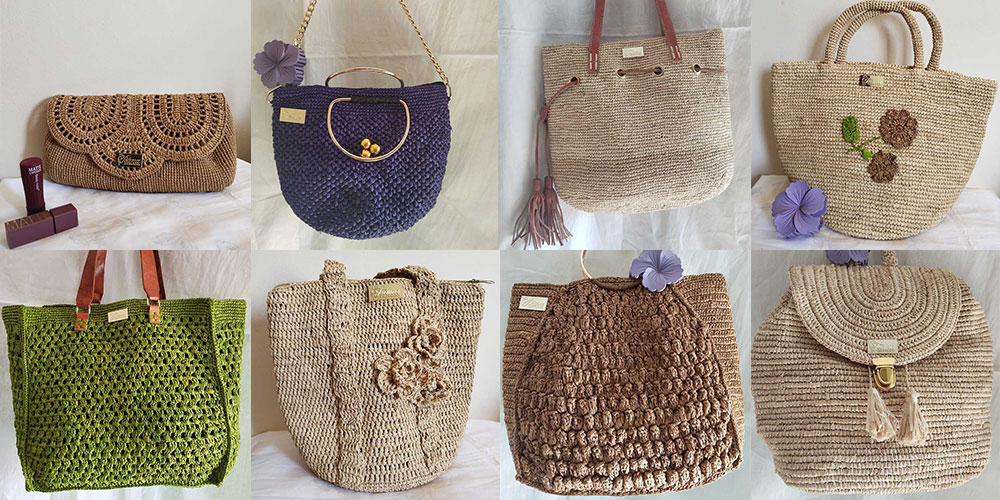
Madagascar Raffia: A Natural and Sustainable Choice for Global Markets
Madagascar is widely recognized for its rich biodiversity and unique natural resources. Among these treasures, raffia stands out as one of the country’s most valuable and versatile agricultural materials. Harvested from the raffia palm, this natural fiber has been used for generations by local communities to create functional and decorative products. Today, Madagascar raffia is increasingly appreciated by international buyers for its authenticity, durability, and sustainability.
Exceptional Quality and Natural Origin
What makes Malagasy raffia particularly special is its quality and natural origin. The raffia palm grows in specific regions of Madagascar where the climate allows the fibers to develop strength and flexibility. Once harvested, the fibers are carefully dried and processed, often using traditional methods that preserve their natural texture and appearance. This results in a material that is both strong and lightweight, suitable for a wide range of applications including bags, hats, home décor, and fashion accessories.
Rising Global Demand for Sustainable Materials
In recent years, global demand for natural and eco-friendly materials has increased significantly. Businesses and consumers are looking for alternatives to synthetic materials, and raffia offers an ideal solution. Its biodegradable nature and minimal environmental impact make it a responsible choice for brands that value sustainability. Many designers and retailers appreciate raffia not only for its environmental benefits but also for its unique and authentic aesthetic.
Partnering with Reliable Malagasy Suppliers
Working with reliable sourcing partners in Madagascar is essential to ensure consistent quality and responsible sourcing. Establishing direct relationships with local producers allows better control over quality and helps support local communities. This approach also ensures traceability, which is increasingly important for international buyers who want transparent supply chains.
Economic and Cultural Significance
Madagascar’s raffia sector represents both a cultural heritage and a growing economic opportunity. By connecting local producers with international markets, businesses can access high-quality natural materials while contributing to sustainable development. Raffia from Madagascar is more than just a raw material—it reflects craftsmanship, tradition, and the growing global shift toward natural and responsible products.